Best Washing Machines in India (2026): Semi-Automatic to Fully Automatic, Compared Honestly
A washing machine is one of those purchases people put off for years and then rush in a single weekend once the old one finally dies. I get it — the spec sheets are dense, every brand claims some version of “smart” or “eco” technology, and the price gap between a semi-automatic and a fully automatic can be ten thousand rupees for what looks like the same job.
So here’s the plain version: semi-automatic machines are cheaper, use less water, and need you to manually move clothes from the wash tub to the spin tub. Fully automatic machines do everything in one drum for a higher price and less effort. I’ve picked one honest budget semi-automatic and three fully automatic options across the price range, and left out a couple of scraped listings that simply weren’t good enough to recommend — including one with barely any reviews and a rating so low it wasn’t worth the risk.
Whichever you pick, this is a ten-year appliance for most households, so it’s worth the fifteen minutes to actually compare rather than grabbing whatever’s cheapest on the page.
How to pick the right washing machine (without the sales pitch)
Five things that matter more than the brand name on the box.
- Semi-automatic vs. fully automatic is a real trade-off, not just a price difference. Semi-automatic machines cost less and use less water per load, but you manually transfer clothes between the wash and spin tubs. Fully automatic machines are hands-off but cost more and use more water and electricity per cycle.
- Capacity should match your household size. A 6-7kg drum suits a couple or small family; an 8kg drum is better for a family of four or more doing regular full loads — going smaller just means more frequent, smaller washes.
- BEE star rating affects both water and electricity use on fully automatic machines. A 5-star rated machine genuinely uses less of both per cycle than a lower-rated one of the same capacity — worth checking on the label, not just assuming premium means efficient.
- Hard water is common across much of India — check if the machine has a hard-water or scale-resistant mode. Some higher-end models specifically call this out; it matters more than people expect for long-term drum and heater life.
- Top-load vs. front-load changes both price and washing style. All four picks here are top-load, which is generally cheaper to buy, easier to load without bending, and more tolerant of Indian-style everyday laundry loads than front-load machines.
The best washing machines you can buy right now
Visio World 7.5kg Semi-Automatic — the budget-honest pick
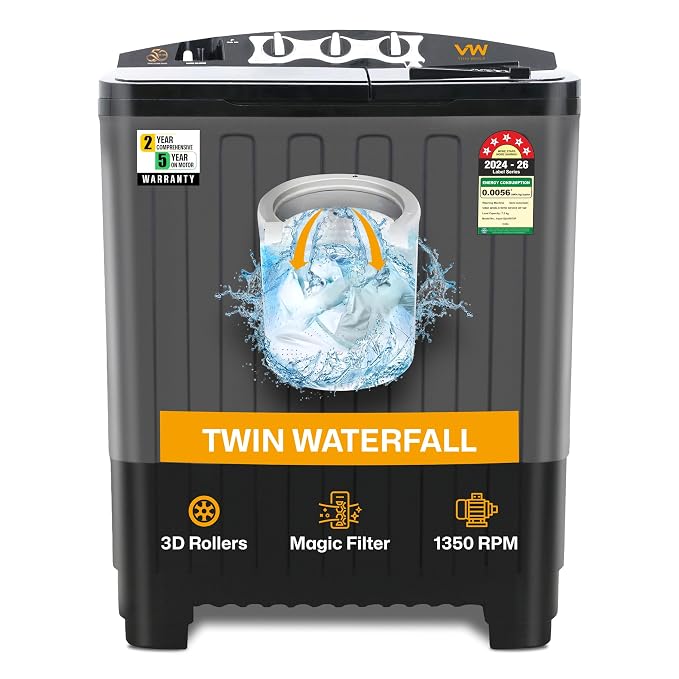
If a fully automatic machine feels like more spend than you need right now, this is where to look. Semi-automatic machines like this one genuinely use less water per load, and the 5-star rating on the spin side means it’s not cutting corners on efficiency just because it’s the cheaper category.
The catch, and it’s the same for every semi-automatic machine, is that you’re manually moving clothes from the wash tub to the spin tub partway through — a few extra minutes of hands-on effort per load. For a lot of households that’s a completely reasonable trade for the price difference.
Best for: Budget-conscious buyers, smaller homes, or anyone who doesn’t mind the manual wash-to-spin step.
- 👍 Genuinely lower price than any fully automatic option here
- 👍 5-star rated spin efficiency
- 👍 7.5kg drum handles a full family-size load
- 👍 Uses less water per wash than fully automatic machines
- 👎 Requires manually transferring clothes between wash and spin tubs
- 👎 No auto water-level sensing like fully automatic models
- 👎 Takes more active attention per wash cycle
Whirlpool 7kg Magic Clean — the reliable fully automatic mid-ranger
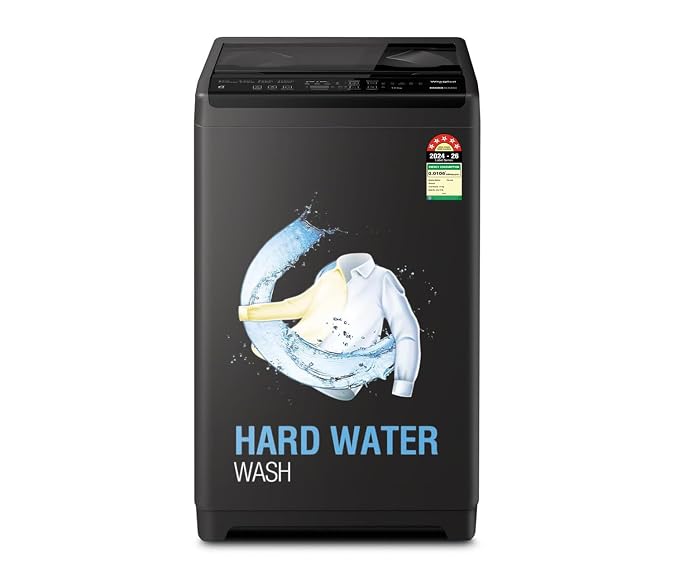
Whirlpool’s Magic Clean series has been a steady seller for a reason — it’s a straightforward fully automatic machine that doesn’t try to upsell you on features you won’t use. Load it, pick a cycle, and it handles wash, rinse and spin without you touching it again until it’s done.
The 5-star rating keeps running costs reasonable for a fully automatic machine, and 7kg is a comfortable size for a small-to-medium household’s regular laundry without stretching to the bigger, pricier drums. It’s the machine I’d point most first-time fully-automatic buyers toward.
Best for: Small to medium families who want a load-it-and-walk-away machine without paying premium prices.
- 👍 Fully automatic — no manual tub transfer
- 👍 5-star rating keeps water and electricity use reasonable
- 👍 7kg suits most small-to-medium households
- 👍 Well-established brand with wide service network across India
- 👎 Costs meaningfully more than the semi-automatic option here
- 👎 7kg may feel tight for a larger family doing frequent full loads
- 👎 Basic feature set compared to the premium picks below
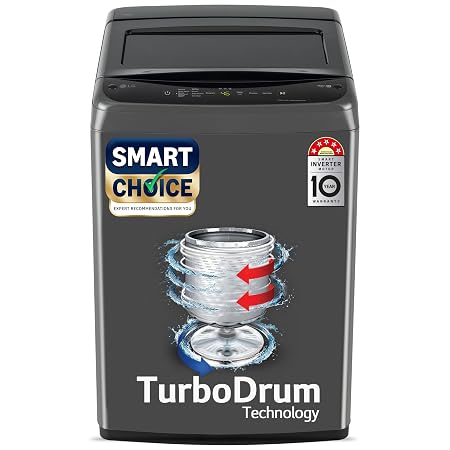
LG 8kg Smart Inverter — the premium efficiency pick
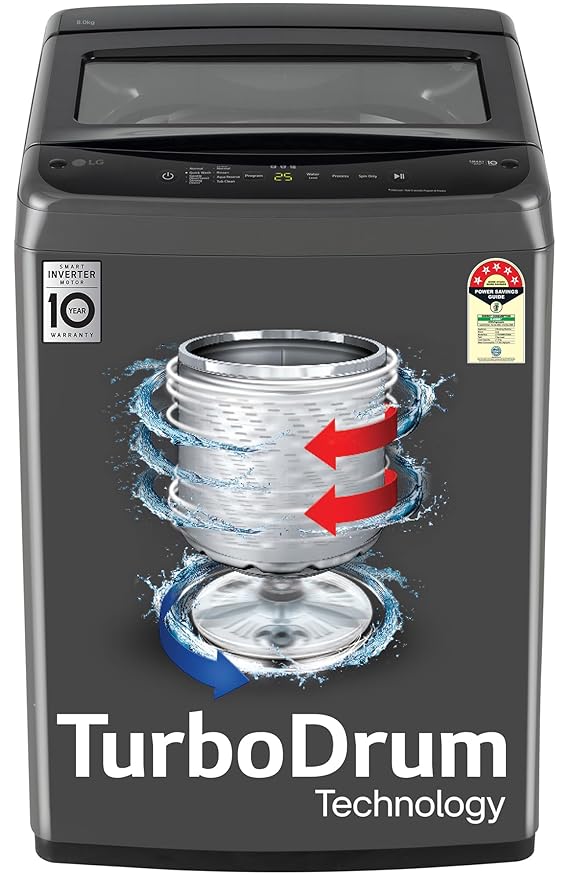
LG’s Smart Inverter motor is the real differentiator here — inverter motors adjust power output to what the load actually needs instead of running at fixed speed, which means both a quieter wash cycle and lower electricity use over the machine’s lifetime compared to a standard motor at the same star rating.
At 8kg, this is the biggest drum in this roundup, which matters if you’re washing bedsheets, towels and daily laundry for a larger household without running two smaller loads. It’s priced at the premium end, but between the inverter motor and the extra capacity, it’s earning that price rather than just charging for the badge.
Best for: Larger families or anyone who wants the biggest drum here paired with genuine long-term energy savings.
- 👍 Inverter motor genuinely reduces electricity use and noise
- 👍 8kg drum — the largest capacity in this list
- 👍 5-star rating on top of inverter efficiency
- 👍 Strong warranty and service reputation
- 👎 The most expensive option in this roundup
- 👎 Bigger drum means a bigger footprint — measure your space first
- 👎 Inverter motors can cost more to repair out-of-warranty than standard motors
Samsung 8kg Eco Bubble — the premium alternative for tough stains
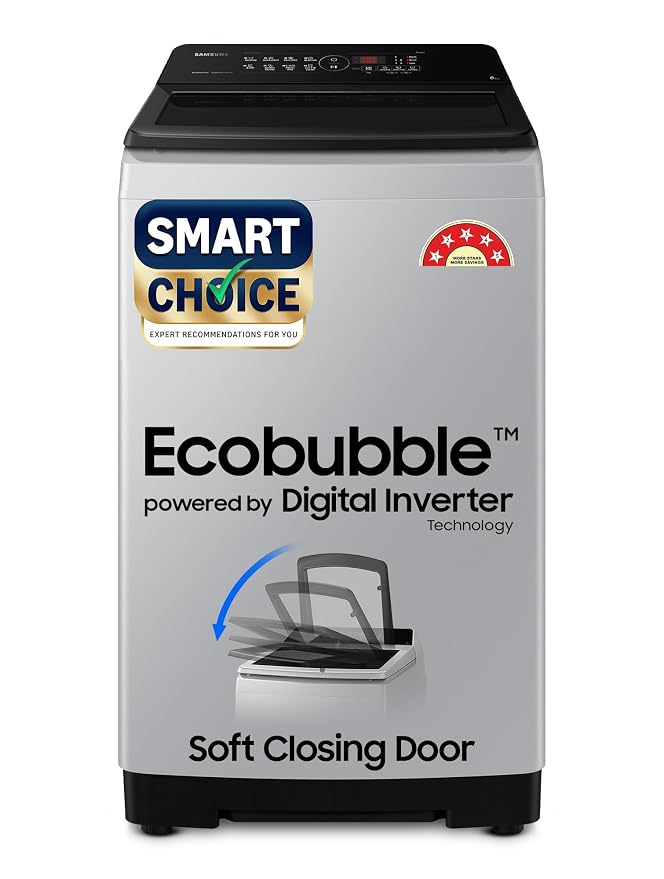
Samsung’s Eco Bubble tech dissolves detergent into a bubble foam before the wash cycle starts, which helps it penetrate fabric faster and lift stains at lower water temperatures than a standard fill-and-agitate cycle — useful if your laundry pile leans toward turmeric stains, mud, and school-uniform grime rather than lightly worn clothes.
It sits at a similar price and capacity to the LG above, so the choice between the two really comes down to whether you value the inverter motor’s running-cost savings (LG) or the stain-lifting wash tech (Samsung) more for your household’s actual laundry.
Best for: Households that deal with a lot of everyday stains — school uniforms, kitchen laundry, sports gear.
- 👍 Eco Bubble tech helps lift tough stains at lower wash temperatures
- 👍 8kg drum for larger households
- 👍 5-star rated for reasonable running costs
- 👍 Digital display makes cycle selection straightforward
- 👎 Premium pricing similar to the LG alternative
- 👎 No inverter motor, so long-term electricity savings are less than LG’s
- 👎 Large drum needs adequate floor space and load-bearing flooring
Frequently Asked Questions
Is a semi-automatic or fully automatic washing machine better?
Neither is universally better — it’s a trade-off. A semi-automatic like the Visio World costs less and uses less water but needs you to manually move clothes between tubs. A fully automatic like the Whirlpool, LG or Samsung does everything in one drum for a higher price and more convenience.
What does the BEE star rating mean on a washing machine?
It rates how efficiently the machine uses water and electricity per wash cycle — a 5-star rated machine uses meaningfully less of both than a lower-rated one of the same capacity. All four picks here are 5-star rated.
How much washing machine capacity do I actually need?
6-7kg, like the Whirlpool Magic Clean, comfortably covers a couple or small family. 8kg, like the LG or Samsung here, suits a family of four or more, or anyone who prefers fewer, bigger loads over frequent small ones.
Do inverter motor washing machines actually save money?
Yes, over the long run — an inverter motor like the one in the LG Smart Inverter adjusts power to the actual load instead of running at fixed speed, which reduces electricity use and noise compared to a standard motor at the same star rating. The upfront cost is higher; the payoff is over years of use.
Is top-load or front-load better for Indian households?
Top-load, like all four machines in this list, is generally the more practical choice for typical Indian laundry habits — it’s cheaper, easier to load without bending down, and handles everyday mixed loads well. Front-load machines can be gentler on delicate fabrics but cost more and take longer per cycle.
How do I protect my washing machine from hard water damage?
Hard water causes scale buildup in the drum and heating element over time regardless of brand. Running a machine-cleaning cycle periodically and, where available, using a hard-water or scale-resistant mode helps — this matters more in areas with known hard water than the brand you choose.
The bottom line
If budget is the main concern, the Visio World semi-automatic is an honest, capable choice — just be ready for the manual tub transfer. For a hands-off fully automatic machine without premium pricing, the Whirlpool Magic Clean is the sensible mid-range pick. If you want the biggest drum and the best long-term running costs, go with the LG Smart Inverter. And if your laundry pile is mostly tough, everyday stains, the Samsung Eco Bubble is the better-suited premium alternative.
As an Amazon Associate we earn from qualifying purchases — at no extra cost to you. We don’t print prices or ratings here because they change daily; tap through to Amazon for the current price and latest reviews.