Best Samsung Galaxy Watch to Buy in India: Watch8, Watch7 and Fit3 Compared
Samsung’s Galaxy Watch range has quietly become one of the most complete smartwatch ecosystems for Android users in India, but the lineup now spans multiple generations, sizes and connectivity options that genuinely change how the watch fits your wrist and your daily habits. Rather than pushing you toward the newest model by default, this roundup breaks down what actually differs.
If you’re on an Android phone, especially a Samsung one, the deeper health and Samsung Health integration make this one of the more coherent smartwatch ecosystems available – but which specific model and size you pick should come down to case size, LTE versus Bluetooth-only, and whether the rotating bezel is worth the extra cost to you.
Size, connectivity and the rotating bezel – what actually differs across the range
Four decisions worth making deliberately before buying.
- 44mm versus 40mm case size is a genuine wrist-fit decision, not just a price tier. The larger 44mm case carries a bigger battery and display, better for larger wrists and those who want maximum battery life; the 40mm size sits noticeably more comfortably on smaller wrists without feeling bulky. Try both on if you can before deciding.
- LTE models let the watch work independently of your phone, for a real price premium. An LTE variant can make calls, receive messages and use data on its own eSIM connection even when your phone isn’t nearby – genuinely useful for runners and gym-goers who don’t want to carry a phone, but adds ongoing carrier cost most Bluetooth-only owners never pay.
- The Classic’s rotating bezel is a real usability upgrade, not just a styling choice. Physically rotating the bezel to scroll through menus and dismiss notifications is faster and more satisfying than touch-only navigation, and it’s the single biggest reason to pick the Classic over the standard Watch8 if you can stretch the budget.
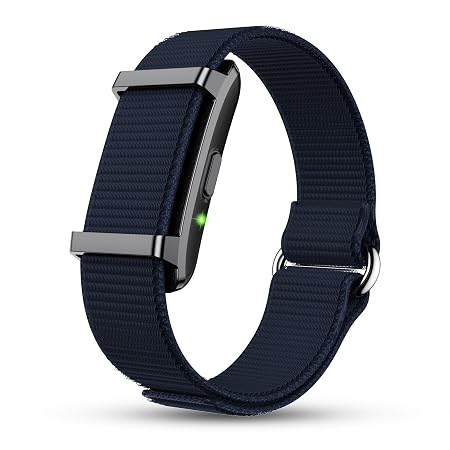
- The Galaxy Fit3 is a genuinely different category – a fitness band, not a smartwatch. With a much longer battery life (rated up to 13 days) and a simpler slim design, it suits someone who wants activity tracking and notifications without the smartwatch app ecosystem, charging routine or price of a full Galaxy Watch.
The Samsung Galaxy Watch lineup, compared
Samsung Galaxy Watch8 (44mm, LTE) – the best all-round flagship pick
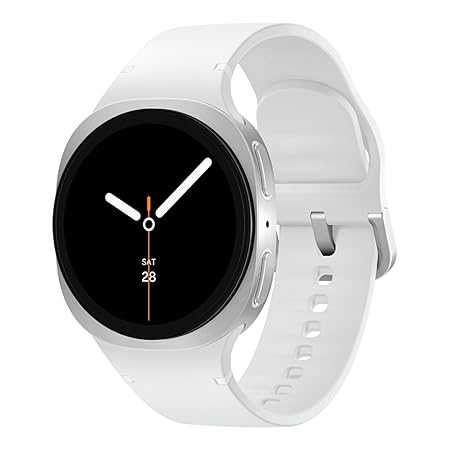
This is the current-generation flagship, built on a newer 3nm processor with dual GPS for more accurate outdoor tracking and a sapphire crystal display that resists scratches noticeably better than older Gorilla Glass models. The LTE connectivity means it can function independently of your phone for calls and messages.
For anyone upgrading from an older Galaxy Watch or a different Android smartwatch entirely, this represents Samsung’s most capable current wearable, and the 44mm size gives it the battery headroom to comfortably last a full day of continuous use with the always-on display active.
Best for: Buyers who want the current flagship experience with standalone LTE connectivity.
- 👍 Newer 3nm processor is noticeably snappier than previous-generation Watch7
- 👍 Dual GPS improves outdoor route accuracy for running and cycling
- 👍 Sapphire glass resists scratches better than standard glass
- 👍 LTE allows standalone use away from your phone
- 👍 44mm case supports comfortably longer battery life
- 👎 LTE connectivity requires an ongoing eSIM plan from your carrier
- 👎 Premium price compared to the Bluetooth-only or 40mm variants
- 👎 44mm case may feel large on smaller wrists
- 👎 Still requires an Android phone, no iPhone support
Samsung Galaxy Watch8 Classic (46mm, LTE) – for the rotating bezel
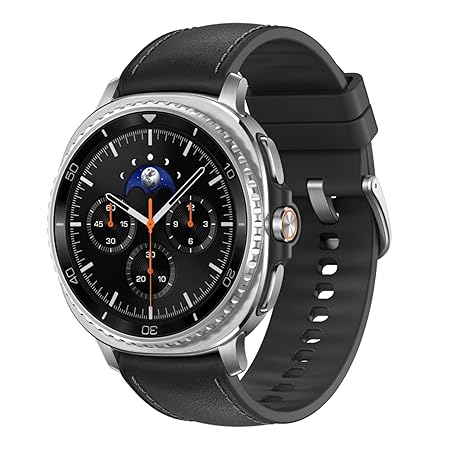
The Classic brings back Samsung’s signature physical rotating bezel for navigating menus and dismissing notifications – a tactile interaction that touch-only smartwatches simply can’t replicate, and one that longtime Galaxy Watch Classic owners specifically seek out. The stainless steel case and 46mm size also give it a noticeably more premium, traditional watch feel than the standard Watch8’s aluminium build.
It carries the same 3nm processor and sapphire glass as the standard Watch8, so you’re not sacrificing performance for the classic design – you’re paying for the bezel and materials specifically.
Best for: Buyers who want the tactile rotating bezel and a more premium stainless steel build.
- 👍 Physical rotating bezel is a genuinely faster, more satisfying way to navigate
- 👍 Stainless steel construction feels more premium than aluminium
- 👍 Same current-generation processor and sapphire glass as standard Watch8
- 👍 46mm case size suits those who prefer a larger, traditional watch face
- 👍 LTE standalone connectivity included
- 👎 Highest price point in this roundup
- 👎 46mm case is large and may not suit smaller wrists
- 👎 Heavier than the standard aluminium Watch8 due to steel construction
- 👎 LTE plan is an ongoing added cost
Samsung Galaxy Watch8 (40mm, Bluetooth) – the comfortable everyday size
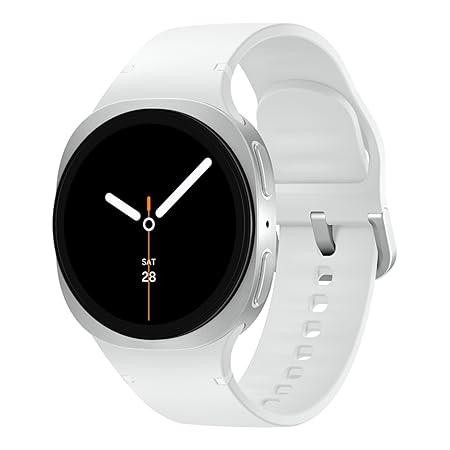
Same current-generation 3nm processor and dual GPS as the larger LTE model, in a noticeably more compact 40mm case that sits comfortably on smaller wrists without feeling bulky through the day. Going Bluetooth-only instead of LTE also means no ongoing eSIM plan cost, which meaningfully lowers the total cost of ownership over the watch’s life.
For most people who keep their phone nearby anyway, Bluetooth-only connectivity covers notifications, calls and everything else you’d use day to day – the LTE independence is a genuine nice-to-have rather than a necessity for most owners.
Best for: Smaller wrists, or anyone who doesn’t need standalone LTE and wants to save on ongoing carrier cost.
- 👍 40mm case is noticeably more comfortable on smaller wrists
- 👍 No ongoing LTE carrier plan cost
- 👍 Same current-generation processor and GPS as the flagship LTE model
- 👍 Lower total cost of ownership over time versus LTE variants
- 👍 Lighter on the wrist than the 44mm or 46mm models
- 👎 No standalone connectivity away from your phone
- 👎 Smaller battery than the 44mm size, may need more frequent charging for heavy users
- 👎 Aluminium build rather than the Classic’s stainless steel
- 👎 Smaller display is a bit tighter for reading notifications
Samsung Galaxy Watch7 (44mm, LTE) – the value previous-generation pick
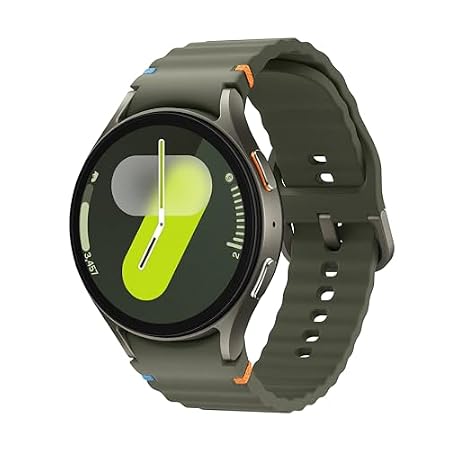
The Watch7 already runs the same 3nm processor and dual GPS setup that carried over into the Watch8 generation, meaning day-to-day performance and tracking accuracy are very close to the newer model – the core differences with Watch8 are mostly incremental. Being the previous generation, it typically comes in at a lower price than the equivalent Watch8 configuration.
If getting the absolute newest model matters less to you than getting strong flagship performance at a better price, this is a genuinely sensible way to save without a meaningfully worse day-to-day experience.
Best for: Buyers who want the larger flagship feature set at a lower price than the newest generation.
- 👍 Same 3nm processor and dual GPS as the newer Watch8 generation
- 👍 Typically priced below the equivalent Watch8 configuration
- 👍 44mm case with LTE for standalone use away from your phone
- 👍 Proven, mature software experience with Samsung Health
- 👍 Strong battery life for the case size
- 👎 Previous generation, so newest software features may arrive on Watch8 first
- 👎 No sapphire glass upgrade that current-gen Watch8 models include
- 👎 LTE plan is an ongoing added cost
- 👎 Fewer color and case-material options than the current lineup
Samsung Galaxy Fit3 – the long-battery fitness band alternative
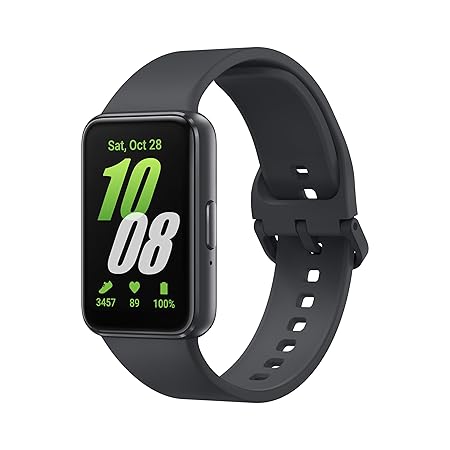
The Fit3 is a genuinely different product category from the rest of this roundup – a slim fitness band with a bright AMOLED display rated for up to 13 days of battery life, versus the roughly one-to-two-day battery life typical of a full Galaxy Watch. If daily charging is the thing that’s put you off smartwatches before, this sidesteps that entirely.
It doesn’t run the full Wear OS app ecosystem or support installing third-party apps the way the Watch8 line does, but for step counting, sleep tracking, heart rate and notification mirroring, it covers the essentials at a fraction of the Galaxy Watch price and hassle.
Best for: Anyone who wants fitness tracking and notifications without the smartwatch app ecosystem or daily charging.
- 👍 Battery life rated up to 13 days, dramatically longer than a full smartwatch
- 👍 Bright AMOLED display despite the slim, lightweight band design
- 👍 Much lower price than any Galaxy Watch model
- 👍 Comfortable for continuous all-day and overnight wear including sleep tracking
- 👍 Simple, low-maintenance charging routine
- 👎 No Wear OS app ecosystem or third-party app installs
- 👎 Smaller display makes detailed notifications harder to read
- 👎 No LTE or standalone connectivity option at all
- 👎 Missing some advanced health sensors found on the full Galaxy Watch line
Frequently Asked Questions
Which Samsung Galaxy Watch should most people buy?
The Galaxy Watch8 (44mm) for the best all-round current flagship experience, or the 40mm Bluetooth variant if you have a smaller wrist and don’t need standalone LTE.
Is the Galaxy Watch8 Classic worth the extra cost over the standard Watch8?
Mainly if you specifically want the physical rotating bezel for navigation and a more premium stainless steel build – the Galaxy Watch8 Classic otherwise shares the same processor and display technology as the standard model.
Do I need the LTE version of the Galaxy Watch?
Only if you want the watch to work independently of your phone for calls and data, such as while running without carrying a phone. Otherwise the Bluetooth-only Galaxy Watch8 (40mm) covers everyday notifications and calls just fine and avoids the ongoing carrier plan cost.
Is the Galaxy Watch7 still worth buying instead of the Watch8?
Yes, if the price difference matters to you – the Galaxy Watch7 already shares the same processor and GPS setup as the current Watch8 generation, with the main gaps being sapphire glass and the newest software features.
What’s the difference between the Galaxy Fit3 and a full Galaxy Watch?
The Galaxy Fit3 is a slim fitness band with up to 13 days of battery life but no app ecosystem or LTE, while the Galaxy Watch line runs full smartwatch software with roughly one-to-two-day battery life.
Can I use a Samsung Galaxy Watch with an iPhone?
No, the Galaxy Watch line requires an Android phone (and works best with a Samsung phone specifically) to access the full Samsung Health and Wear OS feature set.
The bottom line
For most buyers, the Samsung Galaxy Watch8 (44mm, LTE) is the best all-round current pick, and the 40mm Bluetooth variant is the smarter choice if you have a smaller wrist or don’t need standalone connectivity. Choose the Galaxy Watch8 Classic specifically for the rotating bezel and steel build, or save with the still-capable Galaxy Watch7 if getting the newest generation matters less to you than price. If you want long battery life and simple fitness tracking without the smartwatch commitment, the Galaxy Fit3 is the honest alternative.
As an Amazon Associate we earn from qualifying purchases — at no extra cost to you. We don’t print prices or ratings here because they change daily; tap through to Amazon for the current price and latest reviews.