Best Self-Help Books to Read in India: Habits, Money and Life Lessons
The self-help and personal-growth category has a handful of books that have become genuine long-term bestsellers in India, each tackling a different part of life – building better habits, thinking about money differently, finding purpose, or simply telling a story with a life lesson wrapped in fiction. Buying based on hype alone without matching the book to what you actually want to work on is the most common reason these books end up unread on a shelf.
I’ve covered a real spread of these bestsellers here, since each genuinely serves a different purpose despite sitting in the same broad genre.
Habits, money or meaning – matching the book to what you actually want to work on
Four things worth understanding before picking up a self-help book.
- Practical, system-based books like Atomic Habits work best if you want actionable steps, not just inspiration. These books focus on specific frameworks and routines you can apply immediately, better suited to readers who want a plan rather than motivational reading alone.
- Money-focused books like The Psychology of Money and Rich Dad Poor Dad take genuinely different approaches to the same topic. One focuses on the psychology and behavior behind financial decisions, the other on building an asset-focused mindset – worth understanding which angle you actually want before choosing.
- Philosophical and narrative books like Ikigai and The Alchemist teach through reflection and story rather than direct instruction. If you prefer absorbing lessons through narrative and cultural insight rather than direct frameworks, these suit that reading style better than a structured how-to book.
- Regional language editions are widely available for most of these bestsellers. If English isn’t your most comfortable reading language, most of these titles have well-established Hindi and other regional language editions with large review bases of their own.
The best self-help and life-lesson books to read
The Alchemist – the best-selling pick
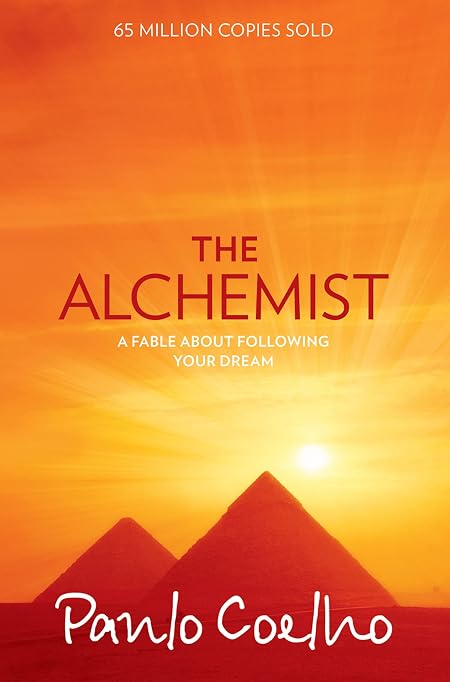
This carries by far the largest accumulated review base of any book in this roundup, reflecting its status as one of the most enduringly popular books ever sold in India. Told as a fable about following your dreams, it teaches through story and reflection rather than direct instruction, making it accessible even to readers who don’t typically read self-help books.
For anyone who wants the reassurance of the single most widely-read book in this entire roundup, and prefers absorbing life lessons through narrative rather than a structured framework, this is the safest starting point.
Best for: Readers who prefer a narrative, story-driven approach to life lessons.
- 👍 Largest accumulated review base of any book in this roundup by a wide margin
- 👍 Narrative, story-driven format is accessible even to non-self-help readers
- 👍 Short, quick read compared to more instructional books
- 👍 Widely available in numerous regional language editions
- 👍 Strong, consistent rating across decades of readership
- 👎 Doesn’t offer the direct, actionable frameworks of a book like Atomic Habits
- 👎 Philosophical, story-based lessons require more personal interpretation
- 👎 Less specifically useful if you want concrete steps rather than reflection
- 👎 Simplicity of the story may feel less substantial to some readers who want depth
The Psychology of Money – the money-mindset pick
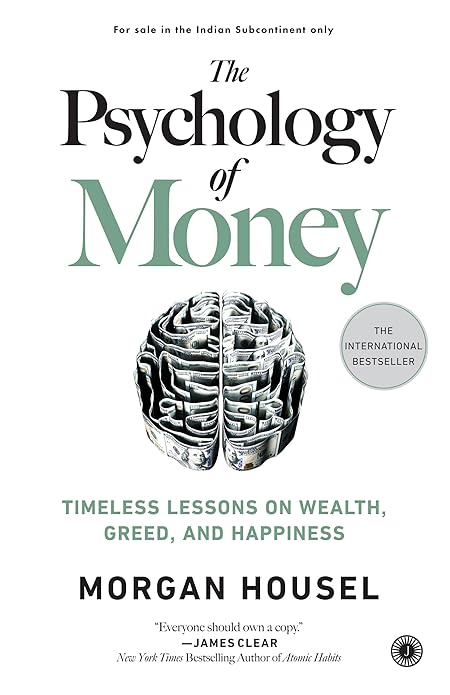
This carries a very large accumulated review base, reflecting how widely this has become the go-to book for understanding why people make the financial decisions they do, rather than just teaching investment tactics. It focuses specifically on the psychology and behavior side of money, distinct from the asset-building mindset of Rich Dad Poor Dad.
For anyone who wants to understand their own relationship with money and the behavioral patterns behind financial choices, rather than a direct investment or asset-building guide, this is the strongest pick in this roundup for that specific angle.
Best for: Readers wanting to understand the behavior and psychology behind financial decisions.
- 👍 Very large accumulated review base
- 👍 Focuses specifically on financial psychology and behavior, not just tactics
- 👍 Short chapters make it approachable even for infrequent readers
- 👍 Complements rather than duplicates Rich Dad Poor Dad’s asset-focused approach
- 👍 Strong, consistent rating
- 👎 Doesn’t provide the specific asset-building framework of Rich Dad Poor Dad
- 👎 Less actionable step-by-step guidance than Atomic Habits
- 👎 Focuses on money specifically rather than broader life habits
- 👎 Smaller review base than the top-selling Alchemist
Atomic Habits – the practical framework pick
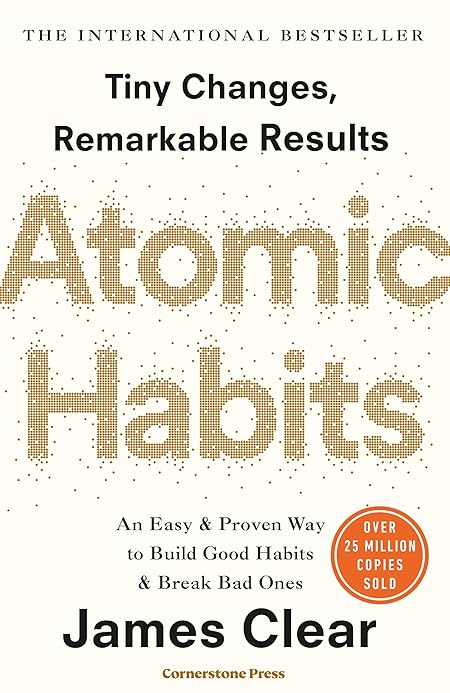
This carries a massive accumulated review base, reflecting how widely adopted its specific habit-building framework has become. Unlike the more narrative or reflective books in this roundup, Atomic Habits gives concrete, actionable systems and routines you can apply immediately rather than requiring personal interpretation of a story or philosophy.
For anyone who wants a direct plan for building better habits rather than motivational reading alone, this is the strongest practical, system-based pick in this entire roundup.
Best for: Readers wanting a direct, actionable system for building better habits.
- 👍 Massive accumulated review base reflecting widespread practical adoption
- 👍 Concrete, actionable framework rather than abstract inspiration
- 👍 Specific routines and systems you can apply immediately
- 👍 Strong, consistent rating across a huge reader base
- 👍 Widely available in multiple regional Indian languages
- 👎 Less narrative or reflective than The Alchemist or Ikigai for readers who prefer story-driven lessons
- 👎 Focuses specifically on habits rather than broader life philosophy
- 👎 Some readers find the framework repetitive across chapters
- 👎 Doesn’t address financial mindset like the money-focused books here
Rich Dad Poor Dad – the asset-building mindset pick
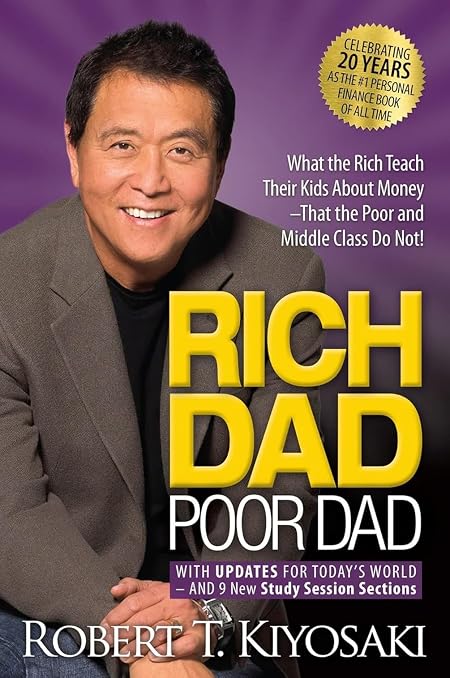
This carries a very large accumulated review base and takes a genuinely different approach to money than The Psychology of Money – focusing specifically on building assets and an entrepreneurial mindset rather than the psychology of financial decisions. It’s told partly through personal narrative comparing two father figures’ approaches to money.
For anyone who wants a mindset shift toward building assets and thinking entrepreneurially about money, rather than understanding financial psychology and behavior, this is the strongest pick in that specific angle within this roundup.
Best for: Readers wanting to shift toward an asset-building, entrepreneurial money mindset.
- 👍 Very large accumulated review base
- 👍 Focuses specifically on asset-building and entrepreneurial mindset
- 👍 Personal narrative format makes the lessons memorable
- 👍 Complements rather than duplicates The Psychology of Money’s behavioral focus
- 👍 Widely available across regional Indian languages
- 👎 Some specific investment claims have aged and drawn criticism over the years
- 👎 Less focused on behavioral psychology than The Psychology of Money
- 👎 Narrative approach requires more personal interpretation than a direct framework
- 👎 Doesn’t address habit-building or life purpose like the other books here
The 48 Laws of Power – the strategy and influence pick
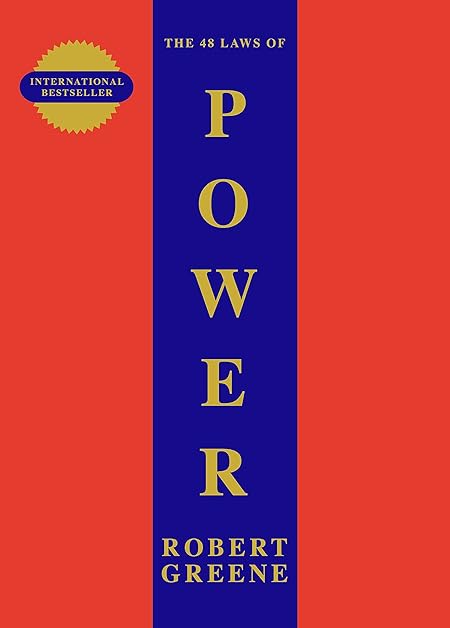
This takes a genuinely different angle from every other book in this roundup – examining historical strategy, influence and power dynamics through numbered laws and extensive historical case studies, rather than personal habits, money or life purpose. It carries a strong accumulated review base and consistently high rating.
For anyone specifically interested in strategy, influence and how power has operated historically, distinct from personal development or financial mindset books, this is the clear, purpose-built pick in this roundup.
Best for: Readers interested in strategy, influence and historical case studies of power dynamics.
- 👍 Strong accumulated review base with a consistently high rating
- 👍 Distinct focus on strategy and influence not covered by the other books here
- 👍 Extensive historical case studies make the lessons concrete
- 👍 Well suited to readers interested in power dynamics and strategic thinking
- 👍 Available in a concise edition for readers wanting a shorter version
- 👎 Content and some of its recommended tactics have drawn ethical criticism
- 👎 Not focused on personal habits, money or life purpose like the other books here
- 👎 Longer and denser than a book like The Alchemist
- 👎 Smaller review base than the top-selling titles in this roundup
Ikigai – the purpose and longevity pick
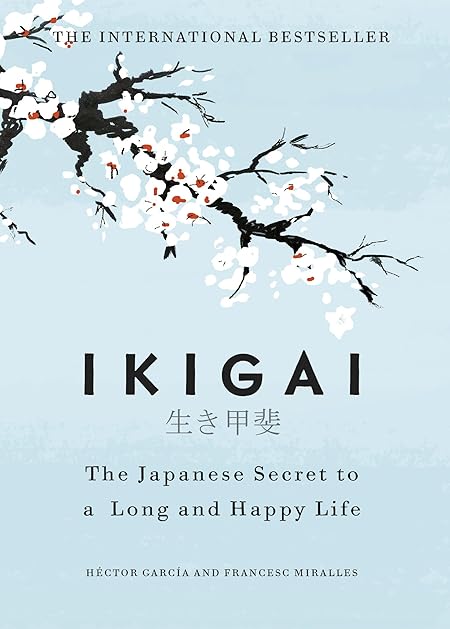
This carries a very large accumulated review base, reflecting broad interest in the Japanese concept of ikigai – finding your reason for being – as a framework for both purpose and long-term wellbeing. It teaches through cultural insight and reflection rather than a direct step-by-step system.
For anyone who wants to reflect on life purpose and longevity through a distinct cultural lens, rather than a Western-style actionable framework, this is the strongest pick in that specific category within this roundup.
Best for: Readers wanting to reflect on life purpose and long-term wellbeing, Japanese-style.
- 👍 Very large accumulated review base
- 👍 Distinct Japanese cultural framework for purpose and longevity
- 👍 Approachable, relatively short read
- 👍 Complements the more Western frameworks of Atomic Habits or the money-focused books
- 👍 Strong, consistent rating
- 👎 Less directly actionable than Atomic Habits’ specific habit-building system
- 👎 Reflection-based approach requires more personal interpretation
- 👎 Smaller review base than the top-selling Alchemist
- 👎 Focuses on purpose and longevity rather than habits, money or strategy
Frequently Asked Questions
Which self-help book should I read first?
The Alchemist is the most widely-read and accessible starting point, while Atomic Habits is the best pick if you specifically want an actionable framework rather than a narrative.
What’s the difference between The Psychology of Money and Rich Dad Poor Dad?
The Psychology of Money focuses on the behavior and psychology behind financial decisions, while Rich Dad Poor Dad focuses on building an asset-focused, entrepreneurial mindset – they genuinely complement each other.
Is Atomic Habits worth reading if I’ve already read other habit-building books?
Its massive, widely-adopted review base suggests its specific framework resonates broadly, but if you’ve already internalized similar systems, a more reflective book like Ikigai or narrative-driven The Alchemist might offer something different.
Is The 48 Laws of Power controversial?
Some of its recommended tactics have drawn ethical criticism over the years, so it’s worth reading with a critical eye toward which strategies you’d actually want to apply.
Are these books available in Hindi or other Indian languages?
Yes – most of the books in this roundup, including Atomic Habits, Ikigai, Rich Dad Poor Dad and The Alchemist, have well-established regional language editions with large review bases of their own.
What’s the shortest, easiest read in this roundup?
The Alchemist and Ikigai are both relatively short, story-driven or reflective reads, more approachable than the denser 48 Laws of Power.
The bottom line
For the most widely-read starting point, The Alchemist is the safest pick, while Atomic Habits is the strongest choice if you want a direct, actionable framework for building better habits. For money mindset, The Psychology of Money and Rich Dad Poor Dad genuinely complement each other – one behavioral, one asset-focused. Ikigai is the best pick for reflecting on life purpose, and The 48 Laws of Power is worth reading specifically if strategy and influence interest you, with a critical eye toward its more controversial tactics.
As an Amazon Associate we earn from qualifying purchases — at no extra cost to you. We don’t print prices or ratings here because they change daily; tap through to Amazon for the current price and latest reviews.